
Today we will be looking more specifically at depreciation as it would typically apply to different classes of assets. It reports an equal depreciation expense each year throughout the entire useful life of the asset until the asset is depreciated down to its salvage value. A fixed asset such as software or a database might only be usable to your business for a certain period of time.
- Each method has its own advantages and disadvantages, so it is important to understand which one works best for your particular situation.
- The useful life of a fixed asset represents the period over which the asset is expected to contribute value to the business operations.
- This could be the hours of work it’s in service or the number of widgets it produces.
- By incorporating depreciation into financial reporting, businesses can maintain transparency, adhere to accounting standards, and provide stakeholders with a realistic portrayal of their assets’ value over time.
- It means the asset can be used and abused for extended periods before replacing or disposing of it.
- Adam Hayes, Ph.D., CFA, is a financial writer with 15+ years Wall Street experience as a derivatives trader.
Would you prefer to work with a financial professional remotely or in-person?
Let us look at an example to understand how businesses can record the disposal. Johnson & Johnson has Bookkeeping for Veterinarians plans to transition into offering corn-based talcum powered. The length of an asset’s useful life depends on the class for depreciation treatment, and In this case, the IRS sets limits. As the name might suggest, the calculation assumes that the asset will depreciate at double the rate of the straight-line method. As previously mentioned, depreciation can provide attractive tax advantages.
- Depreciation is how the asset’s cost will be deducted from the company’s profits over its useful life.
- Depreciation can be a powerful tool for businesses to spread the cost of an asset over its useful life, offering tax, accounting, and financial planning advantages.
- Elevate your warehouse operations with cutting-edge SaaS warehouse management solutions.
- This classification signifies a recovery period of five years for tax depreciation.
- You might need to research the asset’s historical cost if the asset existed before being included in the section on fixed assets.
- Books and very small assets are typically expected to contribute to the income of the organization only in the year it was bought and would often be taken directly to the Income Statement in that year.
Why Understanding Useful Life is Crucial for Businesses?

This reserve fund is used to fund future replacement costs, such as when an asset reaches the end of its useful life and needs to be replaced. The amount set aside each year into the reserve account will depend on the estimated future replacement costs. The value of an asset when it has reached the end of its useful life is the salvage value. The asset’s cost will invariably decrease due to usage, wear and tear, and new innovations.
- As exhibited in the tables above, a depreciation schedule simply allows businesses to stay on top of planned depreciation expenses over the useful life of an asset.
- Special categories like Residential and Nonresidential Real Property involve distinct considerations in determining useful life.
- New assets are typically more valuable than older ones for a number of reasons.
- If the cost price is spread over 4 years this would result in a 25% depreciation p.a.
- Enhance your medical logistics with top-tier healthcare supply chain management software for improved efficiency and cost savings.
- I made the following infographic to explain to you the different types of non-depreciable assets in the context of a small vegetable farm.
Which Assets Can Depreciate?
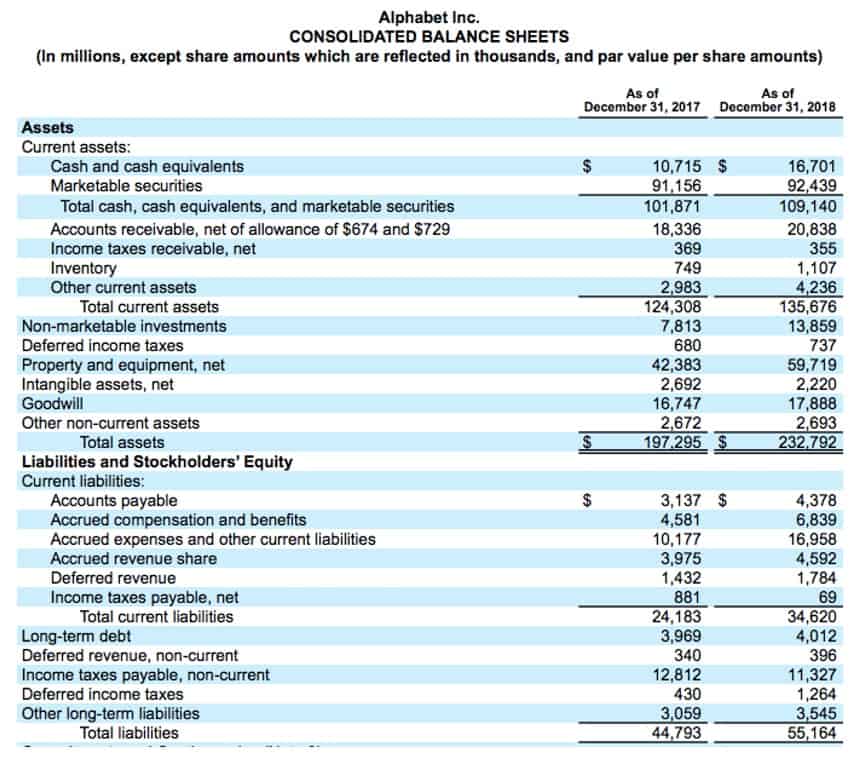
The decisions that are made about how much depreciation to charge off are influenced by the accountant’s judgment. Depreciation is a systematic procedure for allocating the acquisition cost of a capital asset over its useful life. This means that the asset is “ready and available for use.” The asset doesn’t have to be depreciable assets in use, but it can’t be sitting in an unopened box, either.

Examples
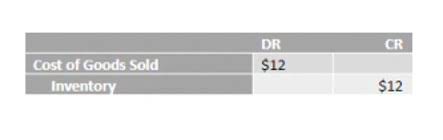
In that case, depreciation expense adjusting entries matches the revenue generated from selling those products. Financial statements are generated to reflect the business’ profitability; businesses need to track and report depreciation expenses. Otherwise, they would be reporting profits that are too high (or losses that are too low).
Capital assets such as buildings, machinery, and equipment are useful to a company for a limited number of years. The entire cost of a capital asset is not charged to any one year as an expense; rather the cost is spread over the useful life of the asset. Learn the key terms that apply to depreciable business assets, and how to tell them from assets that can’t be depreciated. The common methods are straight-line, declining balance, sum-of-the-years digits, and production units. Each method has its own advantages and disadvantages, so it is important to understand which one works best for your particular situation.